How I Think About AI as a Hotel CFO - Paul Mengacci, Desert Hospitality Management


 Apple Podcasts

 Spotify
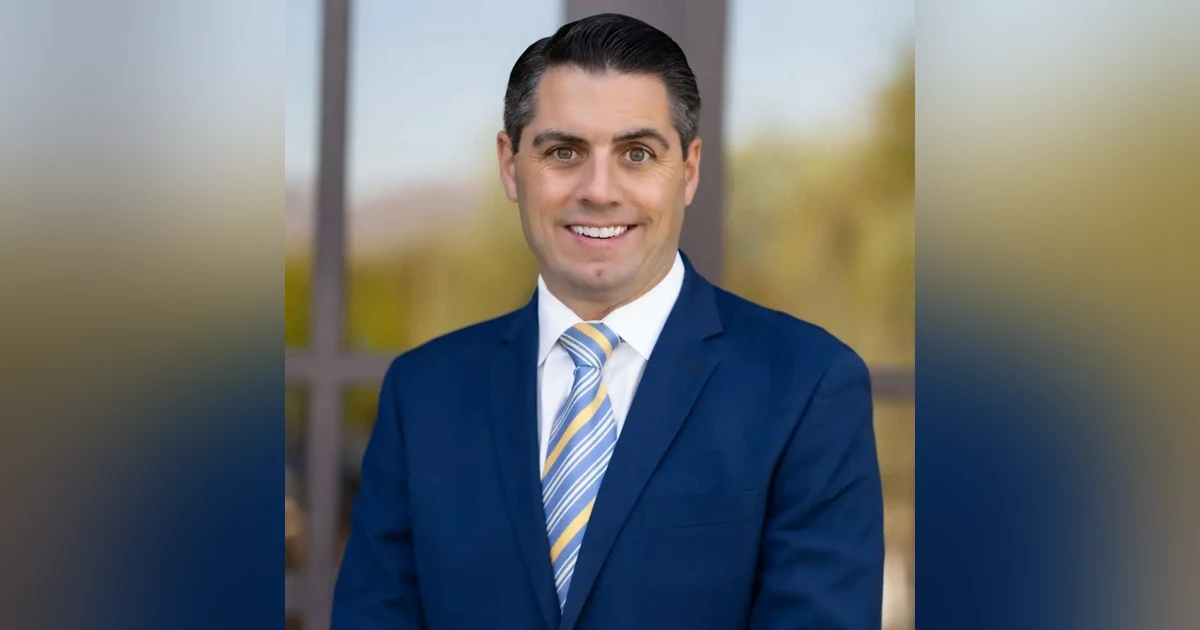
In this episode, Paul Mengacci, Chief Financial Officer at Desert Hospitality Management, shares a finance leader's view of where AI fits in a hotel business. He explains why his team is adding AI Insights for Hotel Effectiveness, why the bigger payoff with AI is getting hotel managers away from their computers, and how more time with team members and guests shows up in bottom-line results.
Learn more about Paul Mengacci on LinkedIn
More with Paul:
Mentioned in this episode: Actabl AI for hotels
A few more resources:
- If you're new to Hospitality Daily, start here.
- You can send me a message here with questions, comments, or guest suggestions
- If you want to get my summary and actionable insights from each episode delivered to your inbox each day, subscribe here for free.
- Follow Hospitality Daily and join the conversation on YouTube, LinkedIn, and Instagram.
- If you want to advertise on Hospitality Daily, here are the ways we can work together.
If you found this episode interesting or helpful, send it to someone on your team so you can turn the ideas into action and benefit your business and the people you serve!
Music for this show is produced by Clay Bassford of Bespoke Sound: Music Identity Design for Hospitality Brands
Josiah: When it comes to AI, across the industry, I feel like there's an opportunity for CFOs to really act in a way that is driving results, but I see you specifically really leaning into this in a unique way. So as you look at these innovations, you've talked about the loops and the intelligence and the workflows. Where do you see AI unlocking value, and why are you buying AI Insights for Hotel Effectiveness? What's the opportunity that you see?
Paul Mengacci: Yes, absolutely. That is to provide our team members with additional tools that will identify those areas of opportunity for them. To give them another platform, another source of information that is calling attention to areas of opportunity. And that's where I think a lot of the value is going to come from with AI, being able to put the most valuable information in front of the team members in a more efficient manner.
Now, could they have gotten to the same findings by digging in further on their own, or having somebody on the team scrub the data a bit more manually? Yes, they probably could. But using AI and that technology to make it a more efficient process, to have it as a support force to help capture that information, is critical for the team. Number one, to get the information that maybe they're not necessarily getting today, because maybe they or someone else is not taking that next step.
But the other thing is, it frees up their schedule, ideally. If they're not having to scrub into the data as much, but they're being presented with the key findings in a more efficient and direct manner, that time can then be repurposed in other ways, and ideally go back into the hospitality side of the business, right? To spend more time with the team members, spend more time with the guests. That, I think, is the ultimate goal here of where AI can really be a benefit.
Applying it specifically to hotels, yes, it will help us find ways to be more productive. It will help us find ways to be more efficient with certain reports and systems. But can all of that ultimately lead to having a chance to lean into hospitality more, right? Not having our GMs or other key stakeholders in front of their computers too often because they're trying to manage all these different systems or reports, trying to dive in to uncover more information, or figure out what's going on behind a particular trend. If that information becomes more readily available to them and is just being put right in front of them, that is really going to open up the opportunity to serve the hotel in a greater capacity.
Josiah: It's interesting hearing you talk about this, Paul, because if I play this back to you, I think it's applicable in this context with AI Insights, but broadly with AI. I hear you acting as a really smart, savvy hotel business leader, where you're essentially saying, "What are the decisions that really matter?"
And you mentioned earlier, labor is maybe the starting point. This is something you have to get right. You need to have right-sized staffing, so you have the right number of people to serve your guests, but you're not overstaffed and creating an environment where you don't have the profitability you need. As you say, "This is a thing I need to get right," then you think about, "Okay, what are the decisions that will get us to this outcome we need?"
And as you mentioned, some of these areas you could have people do, but I'm hearing another level of decision, which is, should they? In a world where technology can do this work, maybe they shouldn't be the ones clicking around and surfacing this stuff. If technology, and AI specifically, can surface this and help you take action faster, then you redeploy that talent in areas that only humans could do or should do. So it feels like a multi-level process where AI is an enabler. It's not an AI strategy for the sake of it.
I'm hearing you look at the financial outcomes you need. You're looking at the operational workflows that get you there. And then you're saying, "AI can be this piece in the chain that focuses our team's attention on what matters, but then gets them onto something that only they can do." Is that a fair recap of your AI strategy?
Paul Mengacci: A hundred percent. That's what really excites me as it relates to the hospitality business, that it may actually give us more opportunity to be hospitable, by having this information more easily available for our team members so they can be redeployed in other ways. And I would say that ultimately that will likely lead to greater financial performance as well, right?
So if you have general managers and other team members that now have the opportunity to spend more time with their associates truly being hospitable, more time with their guests, looking for those areas to provide exceptional hospitality, to create those great experiences, that is going to have a positive impact on the hotel as a whole, on the business as a whole. And bringing it full circle back to the financial side, I can almost guarantee you it will have a positive impact on the bottom line as well.
So this is not just saying this is a strategy that would be nice to have. Let's not forget that this is a business at the end of the day. But if there's a way to use technology that can create more opportunities for hospitality and great experiences, and those experiences are going to lead to happier associates, happier guests, which is then going to create greater activity and overall business demand at the hotel, and ultimately a stronger bottom line, well, we've checked a lot of boxes at that point in reaching our goals.